

Modern supply chains are about more than moving products from A to B. Businesses are expected to meet growing demands around quality, sustainability, compliance, safety, and cybersecurity. Certifications help provide independent proof that these standards are being met, giving companies greater confidence in the products, services, and partners they rely on every day.
What certifications can tell you about a company
When evaluating a business partner, it's easy to focus on factors such as price, availability, and delivery performance. However, these only tell part of the story. How can you know whether products meet quality standards? Whether materials are sourced responsibly? Or whether a company takes cybersecurity and compliance seriously?
In today's supply chain landscape, these questions matter more than ever. Supply chain disruptions, stricter regulations, sustainability goals, and growing digital threats mean businesses need greater visibility into the organisations they work with. This is where certifications can help.
Certifications provide independent verification that a company, product, or process meets specific standards. Some focus on quality management, while others assess sustainability, safety, international trade compliance, or digital resilience. Together, they offer a clearer picture of how an organisation operates and its commitment to responsible business practices. While certifications should not be the only factor when evaluating a business partner, they can be a valuable tool for reducing risk and building confidence across the supply chain.
Key certifications in today’s supply chains
Every certification serves a different purpose. Some focus on quality management, while others support sustainability goals, international trade, product safety, or cybersecurity. The overview below highlights some of the most widely recognised certifications found across today's supply chains and what they demonstrate.
| Certification | Focus area | What it demonstrates |
|---|---|---|
| EcoVadis | Sustainability | Commitment to environmental, social, and ethical business practices |
| EPAL | Product & Industry Standards | Quality and consistency of Euro Pallets within the European pallet pool |
| ISO 9001:2015 | Quality Management | Structured processes, continuous improvement, and customer focus |
| ISPM 15 | International Trade Compliance | Heat-treated wood packaging suitable for international shipment |
| NIS2 | Cybersecurity | Protection of digital systems, data, and operational resilience |
| PEFC | Sustainable Sourcing | Wood sourced from responsibly managed forests with full traceability |
| TÜV | Product Safety | Independent testing of safety, performance, and reliability |
While the table provides a quick overview, each certification addresses a specific area of business operations and supply chain management. The sections below explain what these certifications mean in practice and why they continue to play an important role in building reliable, compliant, and sustainable supply chains.
EcoVadis sustainability assessment
EcoVadis is one of the world's leading sustainability assessment platforms. It evaluates companies on areas including environmental impact, labour and human rights, ethics, and sustainable procurement. The assessment helps businesses better understand how organisations manage sustainability across their operations and supply chains.
EPAL licence for Euro pallets
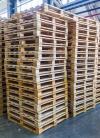
EPAL is the internationally recognised standard for Euro Pallets. Licensed companies must follow strict requirements for pallet quality, repairs, and handling, helping to ensure consistency and interchangeability throughout the European pallet pool.
ISO 9001:2015 quality management
ISO 9001:2015 is one of the world's most recognised quality management standards. It demonstrates that a company follows structured processes designed to deliver consistent quality, improve efficiency, and support continuous improvement.
ISPM 15 for international shipping
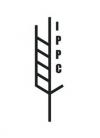
ISPM 15 establishes global requirements for heat-treated wood packaging used in international trade. Using compliant pallets and packaging helps businesses meet import and export requirements and avoid delays at customs.
NIS2 cybersecurity and digital resilience
As supply chains become increasingly digital, cybersecurity is more important than ever. The European NIS2 framework focuses on risk management, incident response, and operational resilience to help organisations better protect critical systems and data.
PEFC sustainable forestry certification
PEFC certification helps ensure that wood products originate from responsibly managed forests and controlled sources. It supports traceability throughout the supply chain and helps organisations meet sustainability and responsible sourcing goals.
TÜV product safety certification
TÜV certification provides independent verification of product safety and performance. For warehouse and logistics equipment, it offers additional confidence in areas such as stability, load capacity, and safe operation.
Certifications at Rotom
While certifications are used across many industries, it is also useful to understand how they are applied within a specific organisation. At Rotom, certifications are held at both Group and local market level, depending on the activity, product category, or country. For example, EcoVadis and NIS2 apply at Rotom Group level, while ISO 9001:2015 and PEFC certification are currently held by Rotom Netherlands. EPAL licences, ISPM 15-certified operations, and TÜV-certified products are available within specific Rotom locations and product categories.
For customers, this provides added confidence when sourcing load carriers, from pallets and wood packaging to warehouse equipment, and demonstrates our commitment to quality, sustainability, safety, and compliance.
Frequently asked questions about certifications and standards
Certifications can help businesses assess quality, sustainability, compliance, safety, and cybersecurity throughout their supply chain. However, with so many standards, certifications, and assessments available, it is not always clear what each one means or why it matters. Below, we answer some of the most common questions about certifications and their role in today's business environment.
How can I verify whether a company holds a certification?
Most certifications can be verified through the issuing organisation or certification body. Companies are often able to provide a certificate, licence number, or audit report upon request. For certifications such as EPAL, approved companies can also be found in official online registries.
What is the difference between ISO 9001 and EPAL certification?
ISO 9001 focuses on a company's quality management processes and continuous improvement. EPAL, on the other hand, specifically applies to Euro pallets and ensures they meet recognised standards for quality, repair, and interchangeability.
Which certifications are most relevant when sourcing pallets and wood packaging?
The answer depends on your requirements. EPAL helps ensure the quality and interchangeability of Euro pallets, ISPM 15 is important for international shipments using wooden packaging, and PEFC supports responsible sourcing of wood products. Quality-focused buyers may also look for ISO 9001 certification.
Which certifications should I consider when evaluating a business partner?
The most relevant certifications depend on your priorities. ISO 9001 can help assess quality management, EcoVadis provides insight into sustainability performance, NIS2 relates to cybersecurity and resilience, while product-specific certifications such as EPAL, ISPM 15, PEFC, and TÜV provide assurance in areas such as pallet quality, export compliance, responsible sourcing, and product safety.
How do certifications support sustainability goals?
Certifications such as EcoVadis and PEFC help organisations demonstrate their commitment to sustainability. They provide greater transparency regarding environmental performance, responsible sourcing, and supply chain practices.