The PPWR is reshaping how European companies manage transport packaging. This article explains what the regulation means for pallets, how Pallet Buy Back and Pallet Recovery support circular logistics, and why both systems help businesses stay compliant while improving operational efficiency.
European Supply Chains Enter a New Phase
The Packaging and Packaging Waste Regulation (PPWR) is pushing companies to reduce packaging waste, increase reuse, and build circular systems that support long‑term efficiency. Transport packaging – especially pallets and load carriers – plays a central role in meeting these requirements. Rotom supports businesses with practical, scalable logistics solutions such as Pallet Buy Back and Pallet Recovery, helping them turn regulatory obligations into operational value.
PPWR: Raising the Bar for Packaging Performance
The PPWR sets clear expectations for how packaging must be designed, used, and recovered across Europe. For logistics operations, this means transport packaging must support circularity and be traceable throughout its lifecycle.
Key implications for supply chains:
- Mandatory reuse and recovery targets
- Higher accountability for packaging placed on the market
- Stricter sorting, recycling, and documentation rules
- Stronger focus on traceability and transparent reporting
Companies that act early benefit from lower waste costs, improved sustainability metrics, and more reliable packaging flows.
Pallet Buy Back: Unlocking Value From Surplus Packaging
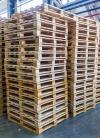
Surplus pallets take up space, increase handling costs, and create compliance risks under PPWR. Rotom’s Pallet Buy Back service offers a simple, compliant solution. We purchase your unused or damaged pallets, refurbish what can be reused, and recycle the rest according to PPWR standards.
Benefits include:
- More warehouse space
- Direct financial return
- Lower waste handling effort
- Verified PPWR aligned recycling
- Reduced need for new pallet production
Pallet Buy Back is an efficient way to turn excess stock into value while supporting circular packaging goals. See how the service works in detail in the animation below:
Pallet Recovery: Ensuring Continuous Circulation of Load Carriers
PPWR emphasises reuse systems, making pallet recovery a key part of compliant packaging management. Rotom’s Pallet Recovery service ensures pallets used across your network are collected, inspected, repaired, and returned to you.
Benefits include:
- Higher pallet availability
- Lower annual pallet purchasing costs
- Reduced packaging waste
- Full PPWR‑ready documentation
- A stable supply of high‑quality pallets
By keeping pallets in circulation, you strengthen both compliance and operational continuity. Find out how your company can benefit from Pallet Recovery in the animation below:
Buy Back vs. Recovery: Two Circular Systems, Two Different Purposes
Both logistics services support PPWR aligned circularity, but they serve different needs.
- Pallet Buy Back creates a market‑wide circular loop. Once we purchase your pallets, they are refurbished and reintroduced into another company’s supply chain. This is ideal for surplus stock, discontinued pallet types, or pallets that no longer match your standards.
- Pallet Recovery creates a closed loop within your own logistics network. We collect your pallets, repair them, and return them directly to you – ensuring continuity, reducing purchasing costs, and keeping your pallet pool compliant.
In short:
- Pallet Buy Back = circularity across the broader market
- Pallet Recovery = circularity within your own supply chain
With additional logistics services such as Rental and Repair, companies can maintain a reliable supply of load carriers, reduce disruptions, and operate more efficiently under PPWR.
Key takeaways
PPWR demands practical, scalable solutions that work in real logistics environments. Rotom combines decades of pallet expertise with a strong European footprint, offering Buy Back, Recovery, Rental, and Repair services that help companies reduce waste, increase reuse, and maintain compliant transport packaging flows. Circular packaging is becoming a competitive advantage – and Rotom is the partner that helps you achieve it.
Frequently Asked Questions (FAQ) about the PPWR law
Understanding new regulations can be challenging, especially when they introduce new responsibilities for packaging and transport processes. Below, we answer the most frequent questions about EU PPWR definitions and how they affect daily logistics operations.
What does PPWR define as packaging?
Under the PPWR, packaging is defined as: “An item, irrespective of the materials from which it is made, that is intended to be used by an economic operator for the containment, protection, handling, delivery or presentation of products.”
What type of packaging does Rotom place on the market?
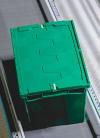
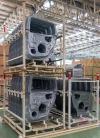
Rotom primarily provides transport packaging, defined under the PPWR as: “Packaging conceived to facilitate the handling and transport of one or more sales units or a grouping of sales units, in order to prevent damage to the product from handling and transport, but which excludes road, rail, ship and air containers.” This includes pallets, pallet boxes, roll cages, and other load carriers used throughout logistics networks.
Why is transport packaging important under PPWR?
Transport packaging circulates repeatedly through supply chains. Ensuring it is reused, recovered, or recycled responsibly helps companies meet PPWR circularity targets and reduce packaging waste.
How do Rotom’s logistics services support PPWR compliance?
Rotom supports PPWR aligned circularity through several complementary services. Pallet Buy Back reintroduces surplus pallets into the wider market, while Pallet Recovery keeps your pallets circulating within your own supply chain. Our Rental and Repair services further extend the lifespan of load carriers and reduce the need for new packaging. Together, these circular logistics solutions help companies reduce waste, increase reuse, and maintain compliant, traceable transport packaging flows.
How to understand your role under the PPWR regulation?
Your obligations under the PPWR depend on how you place packaging on the market. Rotom acts as a supplier, manufacturer, or producer, depending on the situation.
- As a supplier, Rotom provides components for packaging or supplies packaging based on customer specifications. Rotom must support manufacturers and EU importers with the information needed for compliance documentation.
- As a manufacturer, Rotom sells standard packaging or owns the design, brand, or trademark. Rotom must prove compliance through a Declaration of Conformity and Technical Documentation.
- As a producer, Rotom makes packaging available in a Member State for the first time. Rotom is responsible for covering the costs related to collection and recovery of the packaging item.