Summer can put retail logistics under pressure earlier than many expect. By May, retailers should already be addressing warehouse congestion, pallet shortages, and material flow disruptions. Rising temperatures can further strain operations, from heat-sensitive goods requiring controlled storage to reduced workforce productivity in hot conditions. Strengthening load carrier availability and using circular logistics services helps build a more resilient, flexible supply chain ahead of periods of increased volumes or operational pressure.
Bottlenecks in retail logistics start before peak season
In retail logistics, operational disruptions during summer are rarely caused by sudden demand spikes. Industry research shows that performance issues are more often driven by planning gaps, capacity misalignment, and execution strain rather than by demand alone. In fact, more than half of companies report challenges with delivery timing or order accuracy during peak periods linked to these operational constraints.
In the run-up to summer, this is particularly relevant in high-turnover categories such as food and beverage (FMCG), garden and DIY, and outdoor or leisure goods, where seasonal patterns typically increase logistics activity. In warmer months, certain product categories—such as beverages, perishables, or temperature-sensitive items – may also require adapted storage or faster throughput to maintain quality. At the same time, even retailers without strong seasonality can experience peak-season-like pressure, as stable demand combined with reduced workforce availability during holiday periods and heat-related productivity dips tightens capacity and slows warehouse and transport operations.
Against this background, May is an important adjustment phase in retail logistics. It is often the last real opportunity to fix bottlenecks in pallet flow, storage capacity, and distribution processes before periods of increased volumes or operational pressure. At this stage, even small inefficiencies become more noticeable, especially when compounded by environmental factors such as high temperatures affecting handling conditions indoors and outdoors. Acting in May helps keep logistics networks stable, flexible, and responsive when demand and operational constraints come together.
How to cope with peak-season logistics risks
As operations can move towards higher volumes ahead of the summer period, key logistics risks begin to emerge in late spring. Limited warehouse buffer capacity due to pre-summer stock build-up can coincide with increased pressure on loading and dispatch during holiday-related staffing shortages, while high temperatures in warehouses and during transport may further slow handling processes or require adapted workflows for sensitive goods. At the same time, reduced transport flexibility caused by carrier constraints and slower pallet circulation due to longer turnaround times can disrupt material flow, with delays in reverse logistics during vacation periods adding additional strain across the network.
To reduce the impact of these challenges, retailers should focus on improving visibility, operational flexibility, and load carrier availability ahead of peak season. The overview below highlights key risk areas and practical responses through more efficient load carrier management.
| Risk area | Operational challenge | How to cope |
|---|---|---|
| Warehouse congestion | Limited buffer space due to stock build-up | Improve demand forecasting and align inbound planning early. Optimise storage layout and flow efficiency using standardised load carriers such as pallets and plastic boxes. Where possible, balance stock across locations to avoid local congestion. |
| Staffing shortages | Reduced efficiency in loading and dispatch | Increase process consistency through standardised load carriers to simplify handling and reduce complexity. Support operations with clear process standardisation and targeted automation of repetitive tasks. |
| Transport constraints | Limited load carrier availability | Secure additional capacity early via Rental, ensuring flexible access to pallets and plastic boxes during peak demand. Strengthen resilience by diversifying transport partners and enabling alternative routing options. |
| Pallet circulation delays | Slower turnaround of load carriers | Strengthen circulation with Pallet Recovery and Buy Back, ensuring faster reintroduction of pallets and other load carriers into the supply chain. Improve visibility of pallet flows to reduce idle time. |
| Reverse logistics delays | Slower returns during holiday periods | Use structured return processes supported by Pallet Recovery, ensuring continuous load carrier availability through circular systems. Pre-plan return cycles to avoid backlog during peak vacation periods. |
| Heat-related operational strain | Reduced handling efficiency and risk to temperature-sensitive goods | Adapt workflows to high temperatures by adjusting shifts, improving ventilation, and prioritising faster turnover for sensitive goods. Use suitable load carriers and storage solutions to protect products and maintain flow. |
Load carriers as a critical dependency in logistics performance
Within retail and distribution networks, load carriers are not secondary assets but a core operational dependency. Any disruption in the availability or quality of load carriers directly impacts warehouse efficiency, transport readiness, and overall throughput. These inefficiencies often remain hidden during normal operations but become highly visible during periods of increased volumes or operational pressure, especially when external factors such as heat amplify operational strain.
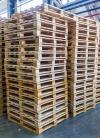
- Pallets - Enable fast, standardised handling of large volumes, helping maintain throughput and reduce loading and unloading times during peak activity.
- Pallet collars - Add flexibility to standard pallets by creating adjustable storage units, making it easier to handle mixed or unstable goods and optimise space during peak volumes.
- Plastic boxes - Improve organisation and protection of smaller goods, increasing picking efficiency and reducing errors during high order volumes.

Circular logistics as a stabilisation mechanism
Circular logistics strengthens supply chain resilience by keeping load carriers in continuous circulation. This reduces dependency on one-way flows and minimises exposure to shortages during peak demand periods. It also helps maintain availability when external factors, such as seasonal heat or fluctuating return flows, disrupt standard logistics rhythms. At Rotom, circular logistics is supported through three core services:
- Buy Back - Reintegrates used pallets into circulation through inspection and quality control, helping optimise asset recovery and reduce waste in logistics networks.
- Pallet Recovery - Collects and reintroduces pallets dispersed across logistics networks, improving availability and ensuring more efficient load carrier circulation during peak demand periods.
- Rental - Provides flexible access to pallets and other load carriers during temporary peaks in demand or operational pressure, supporting scalable capacity and operational continuity when volumes increase.

Key takeaways for a stable summer season
Summer logistics performance is largely shaped before periods of increased volumes or operational pressure begin. Once these conditions set in, operational flexibility decreases and inefficiencies in pallet flow, warehouse capacity, and transport coordination become significantly harder to correct, particularly when compounded by seasonal factors such as high temperatures and workforce availability.
By addressing these challenges in May and strengthening pallet circulation through circular logistics solutions, companies can improve supply chain resilience and maintain stable operations throughout the summer peak period.
Frequently Asked Questions (FAQ) about Retail Logistics in Summer
Summer brings additional pressure to retail logistics operations. Below, we answer common questions about seasonal challenges and how to keep supply chains running smoothly during this period.
Why is summer a challenging period for retail logistics?
Summer can put pressure on logistics operations due to factors such as lower staff availability, tighter warehouse capacity, and slower handling processes. High temperatures can also affect working conditions and require adjustments when dealing with sensitive goods.
What are the main risks in summer logistics operations?
Typical risks include warehouse congestion, limited transport flexibility, delays in returning load carriers, and slower overall handling. These challenges often develop gradually and become more noticeable as operational pressure increases.
How can companies keep logistics operations stable during summer?
Maintaining stability requires early planning, flexible capacity, and reliable access to load carriers. Improving visibility, streamlining material flows, and using circular logistics solutions can help reduce disruptions and keep operations running efficiently.