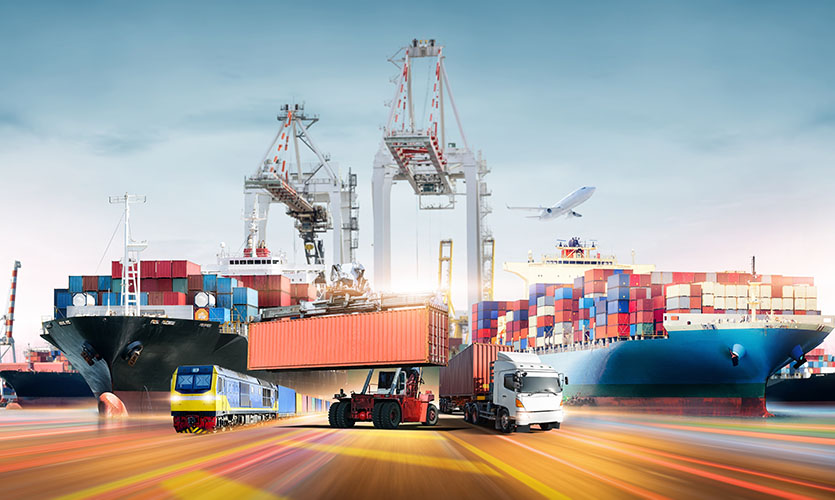
Ongoing geopolitical tensions, trade fragmentation, and regional conflicts continue to reshape global supply chains in 2026. For European businesses, this means increased volatility in trade flows, rising costs, and growing uncertainty around critical resources. Rising fuel prices are driving up transport and shipping costs, putting extra pressure on logistics budgets. Companies relying on load carriers must act proactively to maintain efficiency, compliance, and cost control in what are increasingly challenging conditions.
Disruptions across global supply chains are directly affecting the availability, cost, and suitability of load carriers, as well as their raw materials, such as wood for pallets or plastic for containers. According to a recent survey of more than 900 European companies, over 78% of supply chain professionals expect geopolitical dynamics, trade tariffs, and international trade regulations to impact operations over the next one to two years, underlining that disruption is likely to persist.
In this environment, businesses need a more adaptable approach to managing load carriers. For some, increasing in-house quantities and ownership can provide greater control and supply security. For others, circular solutions such as Buy Back, Pallet Recovery, and Rental have become strategic tools, not just cost-saving options. They allow businesses to adapt quickly, preserve liquidity, and maintain continuity when predictability is low, a vital advantage when crises make planning difficult.
Key logistics challenges in 2026
Navigating global uncertainty means understanding how geopolitical events impact every link in the supply chain. From political tensions to evolving trade rules, anticipating disruptions is critical to staying operational.
- Shifting trade routes and load carrier availability: Conflicts and instability can disrupt trade flows in Europe and the supply of materials. As a result, many companies are exploring regional sourcing to reduce lengthy shipments and exposure to global disruption, strengthening their resilience and delivery reliability , according to a recent industry survey.
- Port congestion and transport delays: Disrupted shipping lanes and congested ports slow the delivery of goods and logistics equipment alike. Rising fuel and energy costs are adding further pressure, forcing businesses to plan shipments more strategically or adjust transport schedules to manage costs effectively.
- Changing regulations and compliance: Sanctions, export restrictions, and new trade laws affect which load carriers can be used and how they must be handled (for example, ISPM15 standards for wooden pallets). Staying informed and leveraging managed logistics services reduces compliance risks.
- Cost volatility: Conflicts and instability can drive up raw material, production, and transport costs. Smart load carriers such as nesting, foldable, or reusable types, combined with circular logistics services, help control costs while keeping supply reliable.
- Supply chain resilience: Unpredictable geopolitical events demand operational flexibility. Maintaining the right types and quantities of load carriers through in-house stock or circular logistics solutions is essential to keep operations running smoothly and absorb cost fluctuations where possible.
Practical tips for businesses
Preparation is key. Understanding risks and having strategies in place helps businesses adapt quickly and make the best decisions for their load carriers, whether investing in stock or using circular solutions.
- Monitor developments: Track conflicts, sanctions, and trade restrictions that could affect operations.
- Use circular solutions: Buy Back, Pallet Recovery, or Rental ensures flexible access to load carriers.
- Plan smarter shipments: Consolidate deliveries, source closer to Europe, and adjust logistics to manage rising fuel and transport costs.
- Plan contingencies: Keep a buffer of logistics equipment to manage potential delays or shortages.
- Stay compliant: Review regulations for exports, hygiene, and safety, and adjust load carriers or processes accordingly.
- Map vulnerabilities: Identify supply chain points most at risk of disruption and implement preventive measures.

Rotom’s Circular Logistics Solutions
To help businesses navigate uncertainty while reducing environmental impact, Rotom offers circular logistics services that make managing load carriers more flexible, efficient, and sustainable.
| Service | Description |
|---|---|
| Buy Back | With Buy Back, businesses can sell surplus pallets back to Rotom. This frees up storage space, improves cash flow, and ensures pallets are reintegrated into the supply chain, supporting both operational efficiency and sustainability. |
| Pallet Recovery | Rotom’s Pallet Recovery service collects, inspects, and repairs used pallets for reuse. By keeping pallets in circulation, businesses minimize waste, reduce the need for new production, and maintain reliable logistics operations. |
| Rental Services | Rental solutions provide flexible access to pallets and load carriers without long-term ownership. This reduces upfront investment, lowers environmental impact, and gives businesses the agility to scale operations as needed, keeping supply chains resilient and sustainable. |
By combining circular solutions with in-house stock management, businesses gain the flexibility to respond quickly to disruptions, optimize costs, and maintain resilient, sustainable supply chains – even amid geopolitical uncertainty. Strategic load carrier management is essential for logistics resilience in Europe in 2026 and success beyond.
If your business faces specific challenges or needs tailored advice, our logistics experts are ready to help. Reach out through the contact form below to discuss customised solutions.