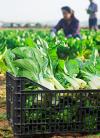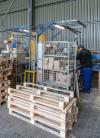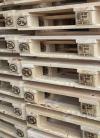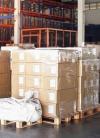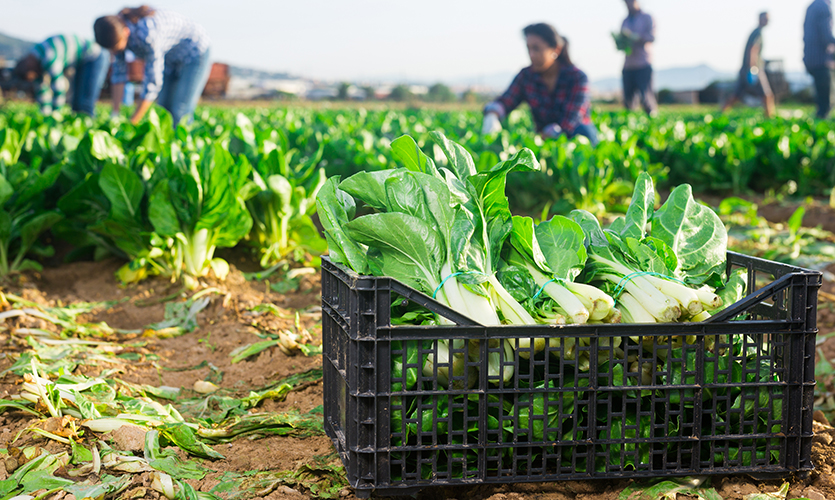
From strawberries and tomatoes to apples, onions and potatoes, harvest seasons create recurring peaks across Europe's fresh produce supply chain. Discover how the right load carriers, hygienic materials and flexible rental solutions help growers, producers and distributors maintain product quality, improve handling efficiency and keep goods moving from field to customer.
Harvest logistics starts long before the first crops are picked
According to Eurostat, the EU harvested 62.2 million tonnes of fresh vegetables and 24.3 million tonnes of fruit, berries and nuts in 2024. As these products move from growers to packing facilities, distribution centres and retailers, efficient logistics plays a crucial role in maintaining quality and keeping supply chains running smoothly.
Across the EU, harvest seasons vary considerably depending on the crop, climate and region. While strawberries, tomatoes and stone fruits are typically harvested during the summer months, apples, potatoes, onions and many other crops follow different schedules throughout the year. For growers, producers, packers and distributors, this creates several periods of increased activity, each with its own logistics challenges.
During harvest peaks, supply chains must handle higher volumes within shorter timeframes. Delays in handling, insufficient load carrier availability or unsuitable packaging can quickly impact product quality and operational efficiency. As a result, selecting the right load carriers is not only an operational decision but also an important part of harvest planning and cost management.
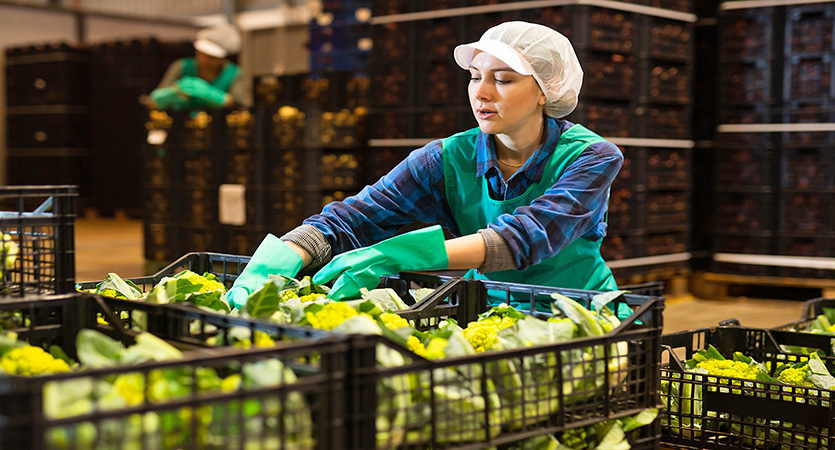
Choose load carriers that fit the product
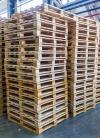
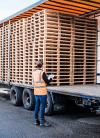
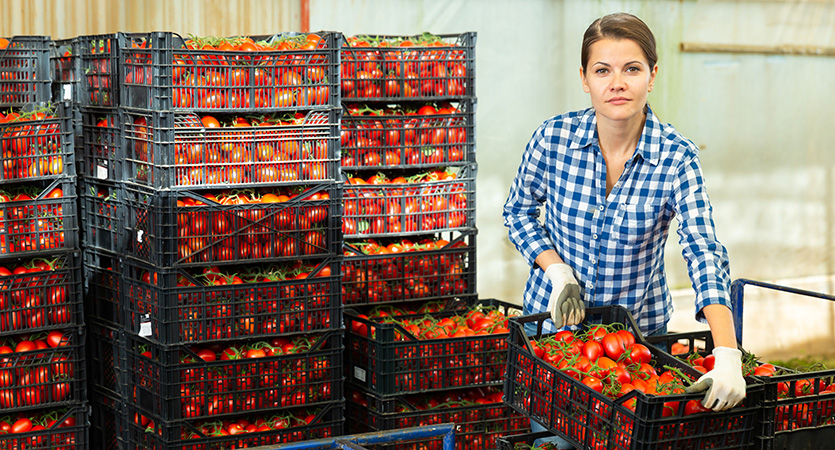
Fresh produce is often handled multiple times before reaching retailers, wholesalers or food manufacturers. Whether products are moved from the field to a packing station or through warehouses and distribution centres, the choice of load carrier directly influences handling efficiency, product protection and transport performance. Suitable load carriers such as pallets, pallet boxes and harvest crates help businesses optimise logistics processes while reducing the risk of product damage.
Using the right load carriers can help businesses:
- Reduce handling times during peak harvest periods
- Protect produce throughout storage and transport
- Improve vehicle and warehouse utilisation
- Increase loading and unloading efficiency
- Support a consistent flow of goods throughout the supply chain
For procurement and logistics teams, matching load carriers to specific product and operational requirements can help minimise bottlenecks and avoid unnecessary handling costs during the busiest periods of the year.
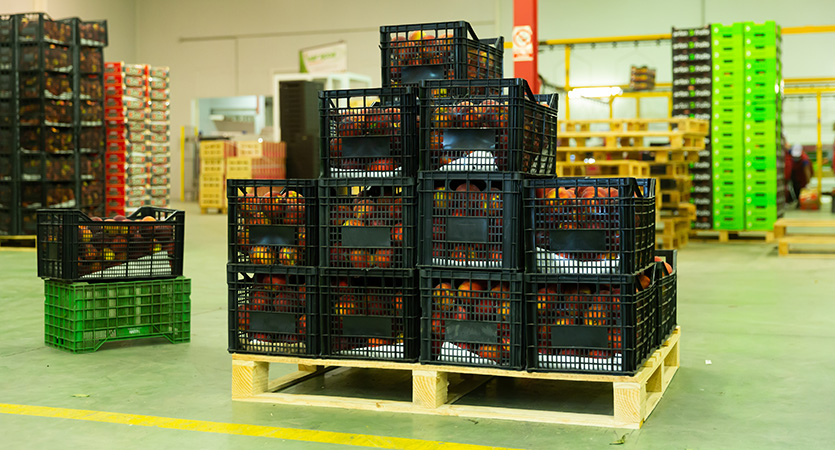
Hygiene and ventilation are essential for fresh produce
Fresh produce logistics requires more than efficient transport alone. Maintaining hygiene and preserving freshness are equally important throughout handling, storage and distribution. Plastic boxes and plastic pallets are widely used in food supply chains because they are durable, moisture-resistant and easy to clean. Their hygienic properties make them particularly suitable for applications where food safety and product integrity are priorities.
Ventilation also plays a critical role. Many fruits and vegetables continue to respire after harvesting, generating heat and moisture. Without adequate airflow, freshness can deteriorate more quickly during storage and transportation.
Perforated harvest crates help improve air circulation and can contribute to:
- Reduced moisture build-up
- Better temperature management
- Lower spoilage risks
- Improved product freshness throughout the supply chain
For businesses managing fresh produce, selecting food-friendly and well-ventilated load carriers can help reduce waste while preserving product quality from field to final delivery.
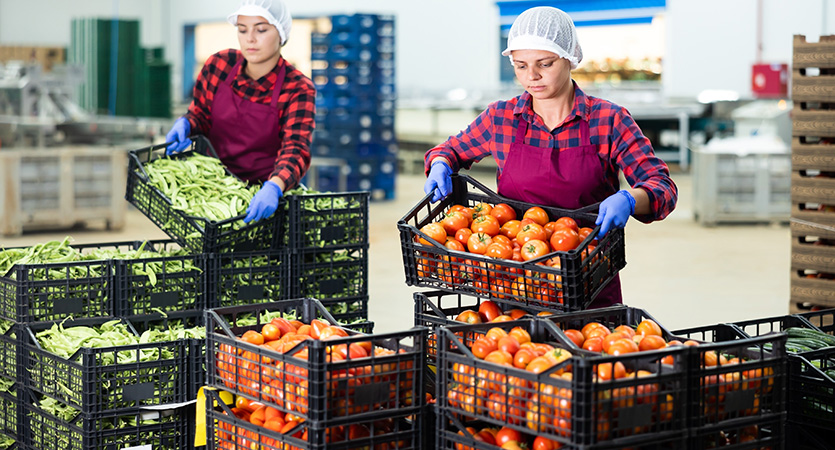
Buy for regular use, rent for seasonal peaks
Harvest logistics requirements can fluctuate significantly throughout the year. While some businesses operate across multiple crop seasons and require load carriers continuously, others face temporary peaks linked to specific harvest periods.
For businesses with ongoing demand, purchasing load carriers often delivers the lowest long-term cost of ownership while ensuring availability whenever volumes increase. However, seasonal peaks do not always justify additional capital investment. In these situations, rental solutions offer valuable flexibility. Renting load carriers allows businesses to scale capacity quickly without the need to purchase and store additional stock that may remain unused for much of the year.
Benefits of renting load carriers include:
- Flexible volumes based on seasonal demand
- Lower upfront investment costs
- Fast access to additional stock
- Greater operational flexibility
- Reduced storage requirements outside peak periods
For procurement professionals, a combination of purchased and rented load carriers can provide the right balance between cost efficiency, availability and operational flexibility.
Plan ahead for a successful harvest season
The most effective harvest operations typically begin planning well before the first crops are picked. Reviewing load carrier requirements in advance helps businesses avoid shortages, improve operational continuity and respond more effectively to changing volumes.
Before the harvest season starts, consider the following questions:
- Are current load carriers suitable for the products being handled?
- Do hygiene standards meet operational requirements?
- Is sufficient ventilation available to maintain freshness?
- Will current stock levels cover peak demand?
- Does purchasing or renting offer the best value?
Taking a proactive approach to load carrier planning helps reduce disruptions and supports a smoother flow of goods throughout the harvest season.
Keep fresh produce moving efficiently
Although harvest seasons differ across the EU, the logistics objectives remain the same: maintain product quality, minimise delays and keep supply chains moving efficiently.
The right load carriers support these goals by improving handling efficiency, protecting fresh produce and helping businesses adapt to seasonal fluctuations in demand. Whether transporting fruit from the field, storing vegetables in a warehouse or supplying retailers across Europe, reliable load carriers remain a vital part of the fresh produce supply chain.
At Rotom, we supply and rent a wide range of load carriers for the fresh produce sector. Whether you require a long-term solution for year-round operations or additional capacity during seasonal peaks, our solutions help keep products moving efficiently from field to product flow.
Frequently Asked Questions (FAQ) about Harvest Logistics
Harvest seasons place additional pressure on supply chains, making it important to choose the right load carriers and logistics processes. Below, we answer some common questions about harvest logistics and fresh produce handling.
What are the most important load carriers for harvest logistics?
Commonly used load carriers include pallets, pallet boxes, plastic containers and harvest crates. The most suitable option depends on the type of produce being handled, storage conditions, handling methods and transport requirements.
Why are ventilated harvest crates important for fresh produce?
Many fruits and vegetables continue to respire after harvesting. Ventilated harvest crates improve airflow around products, helping to reduce moisture build-up, support freshness and minimise spoilage risks during storage and transport.
What hygienic requirements should be considered when handling fresh produce?
Load carriers used in fresh produce supply chains should be easy to clean, moisture-resistant and suitable for food-handling environments. Plastic load carriers are often chosen because they support hygienic operations and can withstand repeated use.
Is it better to buy or rent load carriers for harvest season?
The answer depends on usage patterns. Businesses with frequent or year-round demand often benefit from purchasing load carriers, while seasonal operations may achieve greater flexibility and lower costs through rental solutions.
How can businesses prepare for peak harvest periods?
Early planning is essential. Reviewing load carrier availability, evaluating storage and transport requirements and forecasting seasonal demand can help businesses avoid bottlenecks and maintain smooth operations during harvest peaks.