

Sustainability is no longer optional – it is a core part of responsible business. Customers, investors, and regulators expect companies to understand their environmental and social impact and take measurable action, from reducing supply chain emissions to strengthening ESG performance. At Rotom, sustainability is embedded in our strategy as a European pallet and load carrier specialist, committed to circular services and responsible resource use. That is why we have a dedicated Sustainability Manager to turn commitments into tangible results and lasting impact.
Understanding and reducing emissions: Scope 1, 2 and 3 in supply chains
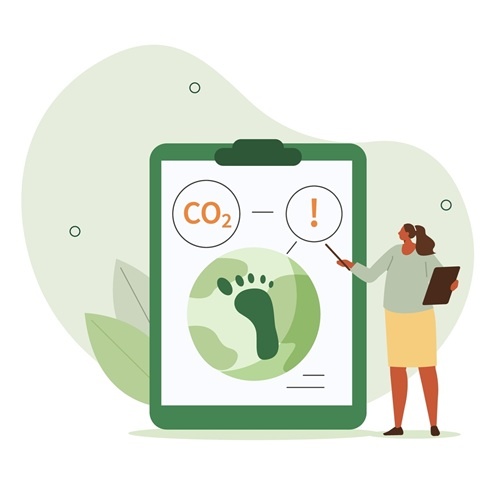
Every company generates greenhouse gas emissions. These arise from daily operations, transport activities, purchased goods, energy consumption, and processes throughout the wider supply chain. To manage this impact effectively, emissions are grouped into three categories that provide a structured framework for measurement and reduction:
- Scope 1 - Direct emissions from sources we own or control, such as fuel used in company vehicles or on-site combustion.
- Scope 2 - Indirect emissions from purchased energy, including electricity, heating, and cooling.
- Scope 3: - All other indirect emissions occurring across the value chain, particularly within the supply chain.
For most companies, up to 95% of total emissions fall under Scope 3. These emissions are the most complex to address because they occur outside direct operational control – yet they often represent the largest climate impact.
For Rotom, reducing Scope 3 emissions is a key priority within our sustainability strategy. By extending the lifecycle of pallets, promoting reuse, and strengthening circular logistics services, we actively contribute to lowering emissions across the supply chain. Circularity is not an add-on; it is central to our business model.
ESG: More than carbon emissions

Sustainability goes far beyond CO₂ reduction. It includes the broader ESG framework: Environmental, Social, and Governance performance – which defines how a company manages environmental impact, social responsibility, and ethical leadership. A strong ESG strategy ensures that sustainability is integrated into everyday decision-making, from procurement to transport planning and workforce management.
| Dimension | What it means for Rotom |
|---|---|
| Environmental | We focus on reducing environmental impact and improving resource efficiency through:
|
| Social | We act responsibly toward employees, partners, and society by promoting:
|
| Governance | We ensure responsible business conduct through:
|
Research from organisations such as McKinsey & Company, Bain & Company and EcoVadis suggests that companies with strong ESG performance often demonstrate greater resilience, improved operational performance, and stronger long-term financial outcomes. In addition, analysis highlighted by the European Central Bank indicate that banks in some cases offer more favourable lending conditions to companies with stronger climate performance - sometimes referred to as a “climate discount”. Sustainability is therefore not just a moral obligation. It is a strategic advantage.
Our current ESG projects and challenges
Our ESG journey is structured, measurable, and continuously evolving. We focus on initiatives that create both environmental and operational value:
- Policy improvements - Expanding and harmonising ESG policies throughout our European operations.
- KPI reporting - Introducing more detailed ESG performance indicators to improve transparency and comparability.
- Certifications - Working toward recognised certifications such as EcoVadis and PEFC.
- Avoided emissions - Quantifying emissions avoided through the reuse and resale of used pallets.
- Decarbonisation plan - Reviewing and refining emission reduction targets across business units.
- Circular services - Expanding sustainable solutions such as Buy Back, Pallet Recovery, and Rental.

In pallet logistics, reuse delivers measurable climate benefits: every recovered pallet reduces demand for new raw materials and lowers overall carbon intensity across supply chains. Strengthening these circular services is one of the most effective ways we contribute to greener logistics across Europe.
Selected ESG targets at Rotom
To ensure accountability and real progress, Rotom has defined clear and measurable sustainability objectives across key areas. These targets provide direction and allow us to track performance transparently. Our broader ESG framework is continuously refined as we improve data quality and align with evolving standards.
| Area | Exemplary target |
|---|---|
| Waste & Circularity | 30% reduction in waste by 2030 compared to 2026. |
| Energy Use | 20% reduction in energy use by 2030 compared to 2023. |
| Climate & Emissions | 42% reduction in Scope 1 and 2 emissions and 25% reduction in Scope 3 emissions by 2030 compared to 2022. |
| Water, Pollution & Supply Chain | 10% reduction in water consumption by 2030 compared to 2023, and enhanced supplier engagement to address sustainability risks in the supply chain. |
| Social & Governance | Establishment of formal ESG policies and continuous company-wide compliance training. |
Clear goals create transparency, and transparency enables measurable change.
Why Rotom’s Sustainability Manager drives measurable ESG impact

Sustainability does not advance through ambition alone. It requires structured implementation, consistent monitoring, and coordination across departments and countries. At Rotom, this role is central to translating ESG commitments into operational practice across all European sites, providing structure, alignment, and continuity in sustainability efforts. Key responsibilities include:
- Tracking ESG performance across all locations
- Aligning standards, policies, and reporting processes
- Supporting certification initiatives and external audits
- Driving continuous improvement across business units
- Connecting operational teams with overarching sustainability objectives
“My role is about connecting teams, improving transparency, and making sure Rotom is meeting stakeholder expectations when it comes to operating responsibly. Sustainability is integral to our business, and this proposition will continue to grow stronger with more strategic ESG decisions.”, explains Sharayu Mishal, Rotom’s Sustainability Manager, highlighting the importance of collaboration, transparency, and strategic ESG decision-making in strengthening the company’s long-term sustainability impact.
Sustainability at Rotom is a shared responsibility. Yet dedicated leadership creates the focus, accountability, and momentum needed to achieve measurable impact. By investing in this role, we strengthen our commitment to circular logistics, responsible supply chains, and lasting environmental stewardship. Building a sustainable future is not a one-time project; it is an ongoing journey.