
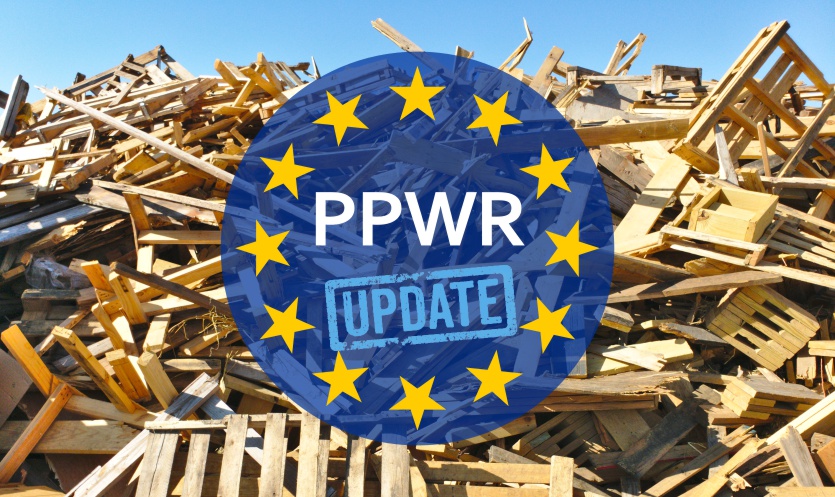
2026 is the year when PPWR EU begins to impact daily logistics operations across Europe. Following its entry into force in August 2026, companies must now focus on using reusable and recyclable load carriers and proving how these are managed throughout the supply chain.
The PPWR regulation (Packaging and Packaging Waste Regulation), which will enter into force on 12 August 2026, is now moving into its implementation phase across the EU, shifting logistics and supply chain companies from preparation to practical execution. The key change is operational: companies must be able to demonstrate how load carriers are used, tracked, and processed, including reuse, repair, and recycling. This places greater emphasis on traceability in pallet management, returnable transport systems, and warehouse operations.
At the same time, ESG reporting (Environmental, Social and Governance) and environmental audit requirements are putting more pressure on reliable operational data and structured documentation. This is where circular logistics services become increasingly relevant. Solutions such as Buy Back, Pallet Recovery, and Rental help companies manage load carrier flows more efficiently, extend their lifecycle, and generate the documentation needed for reporting and compliance.
Marcel van de Sande, COO of Rotom Group, explains:
"With PPWR now moving into its implementation phase, packaging becomes an operational responsibility that has to be managed and proven throughout the supply chain. This requires logistics systems that can support consistent execution across markets and partners."
For Rotom, staying up to date with changing EU requirements and preparing customers for upcoming developments is essential. Rotom operates across Europe with sustainable load carriers and circular logistics services for a wide range of sectors. Combining reuse, repair, and recovery models helps reduce waste and improve transparency in load carrier flows, while supporting more efficient operations and compliance with EU rules.
While full requirements under the PPWR law, including recyclability and reuse requirements, will apply more broadly towards 2030, companies are already expected to gradually adapt their systems and improve traceability. The focus today is on building logistics processes that are efficient, transparent, and ready for upcoming regulatory requirements.
To explore PPWR in more detail, read our blog article How are PPWR Regulations Changing Packaging Standards? or Sell Your Used Wooden Pallets - Recover Capital and Stay Compliant with PPWR to learn how to recover value while supporting compliance.